ABOUT US
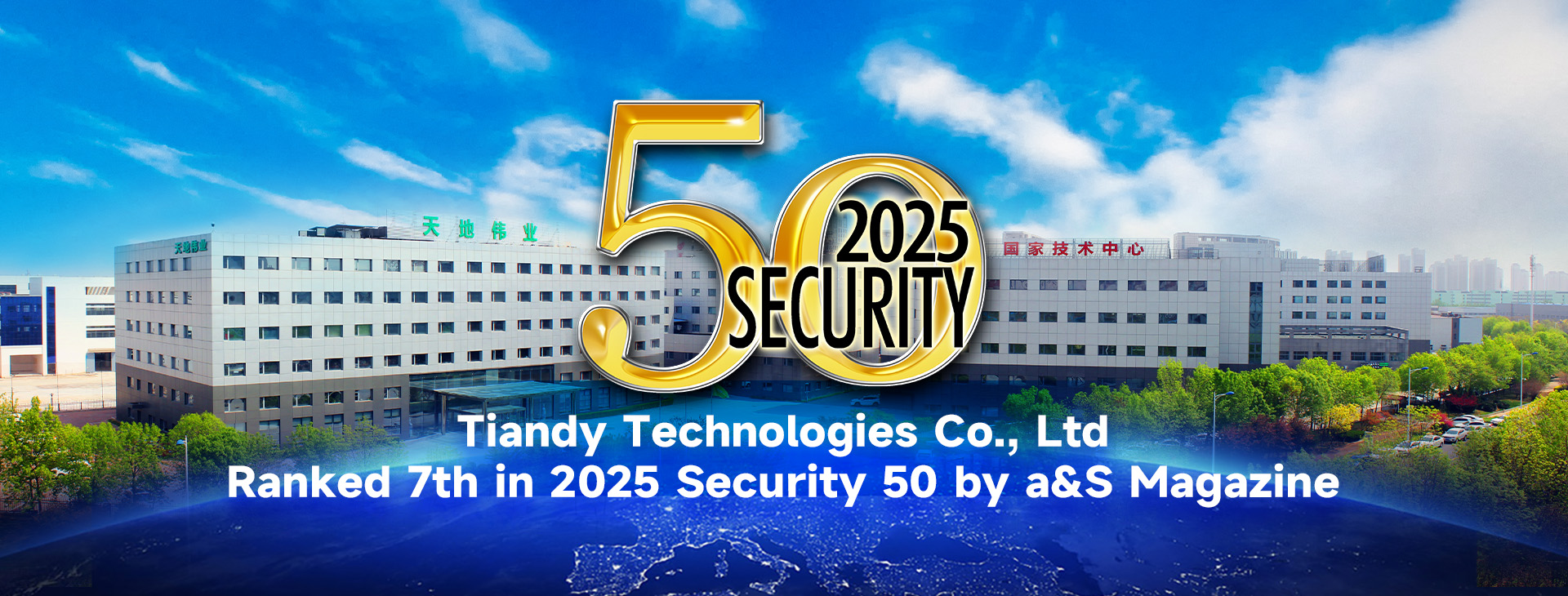
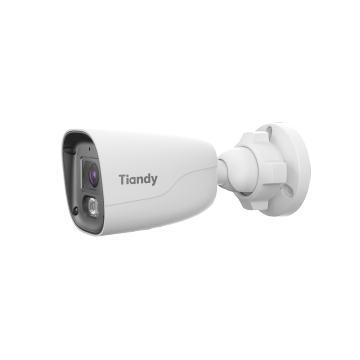
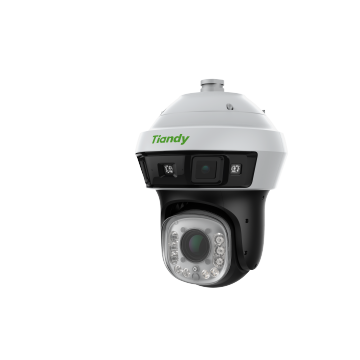
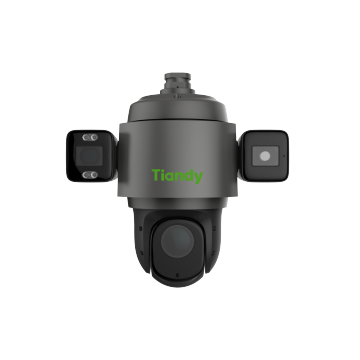
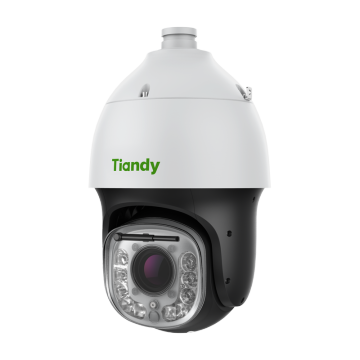
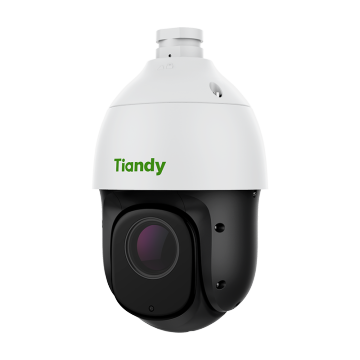
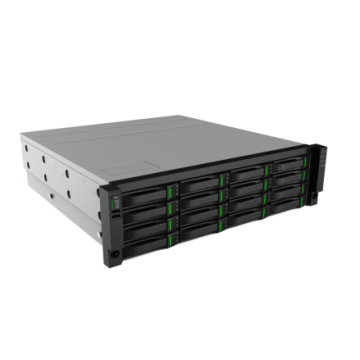
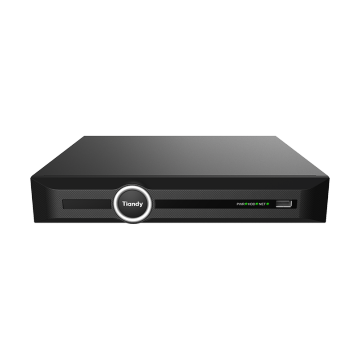
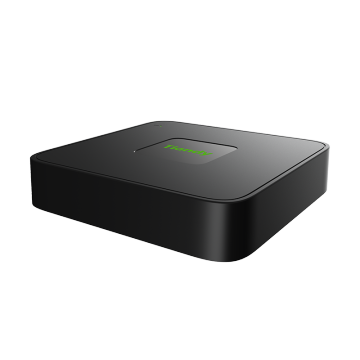
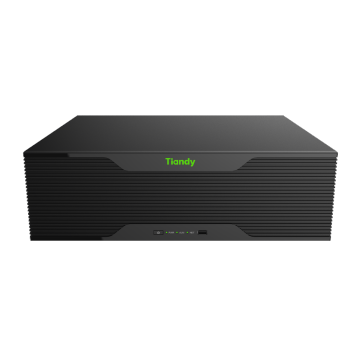
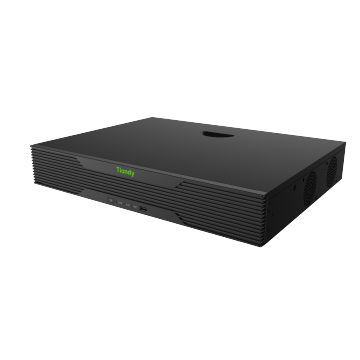
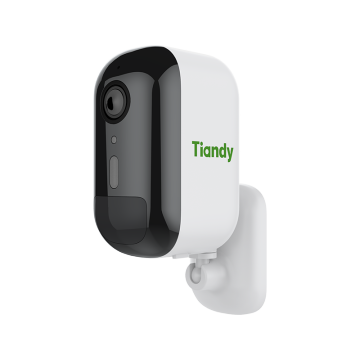
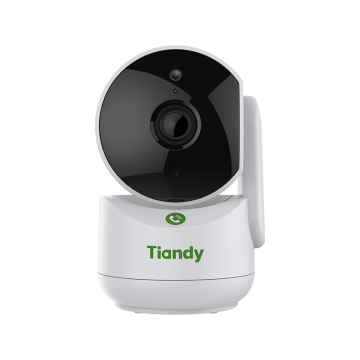
Founded in 1994, Tiandy is ranked No.7 in the surveillance field. Tiandy integrates AI, big data, cloud computing, IoT, and cameras into people-centric intelligent solutions. With more than 3,000 employees, Tiandy has over 80 branches and support centers at home and abroad. With a strong and capable R&D team as the core, we have a 1,000-person research institute in headquarters. Tiandy has participated in drafting 26 national industry standards and applied for more than 900 patents and software copyrights, also successively put forward the concepts of "Starlight" and "Polar Day" and continues to research and develop several competitive new products, such as the "AK Series", "Polar Day Series", "Omni-directional Series" and so on. In addition, Tiandy has built a 40,000 square metres intelligent security industry base. Fortified by our advanced SMT production line and strict quality control system, we are able to provide 10 million units with lower than 0.1% defect rate per year.
Understanding and Troubleshooting SSIS-998: A Comprehensive Guide
SQL Server Integration Services (SSIS) is a powerful tool for building enterprise-level data integration and workflow solutions. However, like any complex software, it's not immune to errors. One of the common errors that developers and administrators encounter is the SSIS-998 error. In this article, we'll delve into the world of SSIS-998, exploring its causes, symptoms, and most importantly, providing a step-by-step guide on how to troubleshoot and resolve this issue.
What is SSIS-998?
SSIS-998 is a generic error code that appears in the SSIS error list. It's often referred to as an "internal error" or a " unexpected error". When this error occurs, SSIS typically displays a message indicating that an internal error has occurred, without providing much information about the root cause.
Common Causes of SSIS-998
While the SSIS-998 error can be cryptic, there are several common causes that can trigger this error:
Data type mismatch : One of the most common causes of SSIS-998 is a data type mismatch between the source and destination data types. For example, if you're trying to insert a string value into an integer field, SSIS may throw this error.
Invalid or corrupted package : If the SSIS package is corrupted or invalid, it can lead to the SSIS-998 error. This can happen if the package is not properly saved or if there are issues with the package's XML structure.
Connection string issues : Problems with connection strings, such as incorrect server names, database names, or authentication credentials, can cause SSIS-998 errors.
Component configuration : Misconfigured components, such as data sources, data destinations, or transformations, can lead to SSIS-998 errors.
Memory issues : In some cases, SSIS-998 errors can be caused by memory issues, such as low memory or memory allocation problems.
Symptoms of SSIS-998
When the SSIS-998 error occurs, you may encounter one or more of the following symptoms:
Error message : The error message "Internal error: SSIS-998" appears in the SSIS error list or in the Windows event log.
Package failure : The SSIS package fails to execute, and the error prevents the package from completing successfully.
Data loss : In some cases, data may be lost or corrupted due to the error.
Troubleshooting SSIS-998: A Step-by-Step Guide
While the SSIS-998 error can be challenging to troubleshoot, following these steps can help you identify and resolve the issue:
Step 1: Check the Package and Component Configuration
Verify package integrity : Make sure the SSIS package is properly saved and has a valid XML structure.
Review component configuration : Check the configuration of each component in the package, including data sources, data destinations, and transformations.
Validate data types : Ensure that data types match between source and destination components.
Step 2: Investigate Connection String Issues
Verify server and database names : Double-check server and database names in the connection strings.
Check authentication credentials : Ensure that authentication credentials are correct and properly configured.
Step 3: Analyze Error Messages and Logs
Check the SSIS error list : Review the SSIS error list for additional error messages that may provide more information about the issue.
Windows event log : Check the Windows event log for related error messages.
Step 4: Test and Debug the Package
Test individual components : Test individual components to isolate the issue.
Use breakpoints and debugging : Use breakpoints and debugging to step through the package and identify where the error occurs.