Rapidleech Plugmod Eqbal Rev 42 Prerelease T2 Updated 20042010 Now
Version: 2.2.15 (2020-12-05)
Windows 32-bit or 64-bit supported
Version: 2.2.15 (2020-12-05)
Windows 32-bit or 64-bit supported
represents a specific moment in the underground file-sharing ecosystem: a functional, community-driven tool for automating file transfers across commercial hosts. While technically clever, it existed in a legal gray area and was a major contributor to the “cat and mouse” dynamic between hosters and leechers. Today, it serves as a museum piece of early 2010s web automation and warez culture.
: Early implementation of cookie-based sessions to manage premium accounts for sites like Mega.nz and Google Drive as they began to emerge. Why It Mattered (and Still Does)
: Set the /files/ and /configs/ folders to 777 to allow the script to save downloads and configuration changes.
Eqbal smiled as he plugged the stick into his terminal. The prompt flickered, then accepted a single command. The prerelease unpacked like a time capsule: a half-dozen commented scripts, a README with tea-stained margins, and an index.php that still bore the faint watermarks of someone’s late-night coffee ring. Lines of code were annotated with names—handles: taz, m0rph, and something scribbled in harsher strokes: “eqbal”.

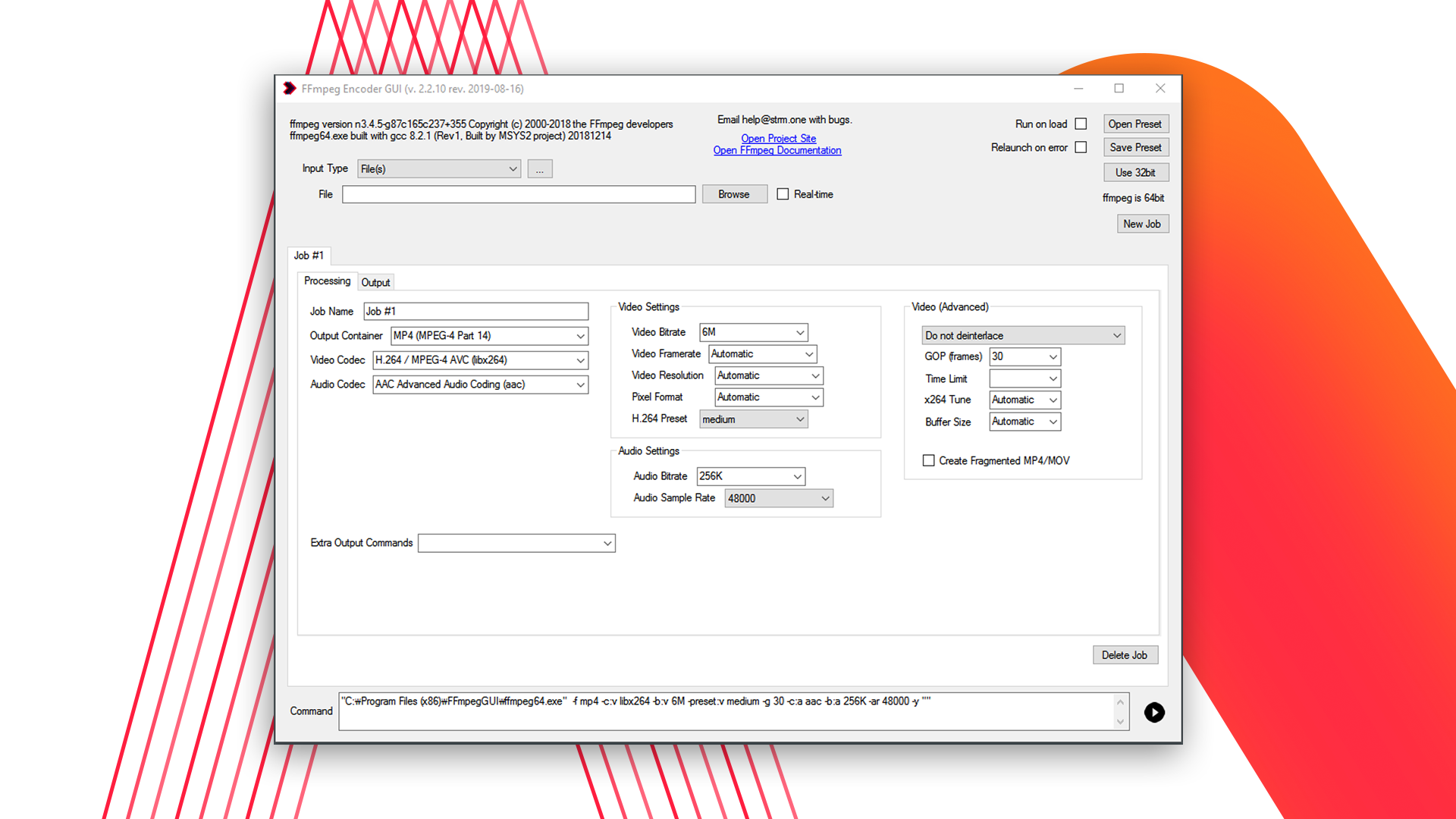
FFmpegGUI currently supports File, DirectShow, Blackmagic Decklink, NewTek NDI or URL inputs.
Drag and drop your file(s) from your system to be processed quickly.
Prompting to rename any input file(s) with non-ASCII filenames to be compatible with command-line processor. represents a specific moment in the underground file-sharing
You can easily export your clip(s) to a file, NewTek NDI destination, RTMP server or any other custom output supported by FFmpeg.
The included FFmpeg is built with hardware encoding support for NVENC. GUI support is experimental at this time, feedback is welcome. : Early implementation of cookie-based sessions to manage
32-bit and 64-bit Windows binaries of FFmpeg included. Current binaries are based on version 3.4.5.
Save your encoding settings as file to be recalled later. Settings are formatted as an XML document. The prompt flickered, then accepted a single command
GUI project is developed by ffmpeg fans and distributed for any usage. Non-free codecs in the included FFmpeg build may have further restrictions.
represents a specific moment in the underground file-sharing ecosystem: a functional, community-driven tool for automating file transfers across commercial hosts. While technically clever, it existed in a legal gray area and was a major contributor to the “cat and mouse” dynamic between hosters and leechers. Today, it serves as a museum piece of early 2010s web automation and warez culture.
: Early implementation of cookie-based sessions to manage premium accounts for sites like Mega.nz and Google Drive as they began to emerge. Why It Mattered (and Still Does)
: Set the /files/ and /configs/ folders to 777 to allow the script to save downloads and configuration changes.
Eqbal smiled as he plugged the stick into his terminal. The prompt flickered, then accepted a single command. The prerelease unpacked like a time capsule: a half-dozen commented scripts, a README with tea-stained margins, and an index.php that still bore the faint watermarks of someone’s late-night coffee ring. Lines of code were annotated with names—handles: taz, m0rph, and something scribbled in harsher strokes: “eqbal”.