Загрузка началась
Как видите, у нас НЕТ рекламы, и помощь в виде репоста будет очень кстати!
 |
Добавить сайт в закладки CTRL+D или "звездочка" в адресной строке справа |
 |
Подписывайтесь на наш ТГ канал
|
Ethics and Witnessing Gothic narratives frequently stage moral economies: revelation often leads to judgment, confession, or redemption; victims and perpetrators occupy morally legible roles. The eldritch complicates ethical response. When confronted with cosmic entities, moral frameworks may be meaningless; human choices persist but are relativized by a universe indifferent to human welfare. The ethical quandary becomes: how to bear knowledge that undermines meaning? The theme of forbidden texts (grimoires in gothic, Necronomicon-type tomes in eldritch) exemplifies this: the pursuit of truth brings ruin, but silence is complicity in ignorance.
The Gothic and the eldritch occupy overlapping but distinct spaces in the literature of fear. Both unsettle by undermining stable reality, but they do so through different aesthetic mechanisms, historical contexts, and metaphysical stakes. The Gothic commonly roots dread in decayed human institutions, repressed desires, and the uncanny returns of the past; the eldritch gestures to cosmic indifference, incomprehensible otherness, and the limits of human cognition. Reading these modes together reveals how horror negotiates anxiety about mortality, meaning, and the boundaries of the human. the gothic and the eldritch pdf
Abstract This essay examines the convergences and divergences between the gothic and the eldritch as aesthetic, thematic, and affective registers in literature and art. It argues that while the gothic frames fear through atmosphere, domestic transgression, and the uncanny human-sized other, the eldritch expands dread toward cosmic indifference, scale, and epistemic rupture; together they map a spectrum of uncanny experience from intimate destabilization to metaphysical negation. Close readings of representative motifs—ruin, mirror, bloodline, archive, monstrous ontology, and forbidden knowledge—demonstrate how the two modes negotiate human subjectivity, temporality, and the ethics of knowing. The ethical quandary becomes: how to bear knowledge
In the Eldritch, knowledge is dangerous because it is fundamentally incompatible with the human mind. This is the central thesis of Lovecraft: the human mind is a limited instrument designed to ignore the true nature of reality. Science does not usurp God; it reveals that there is no God, only uncaring gods. The more the protagonist learns, the closer they come to madness. In the Gothic, the protagonist flees from the monster; in the Eldritch, the protagonist is often driven to the monster by an insatiable, fatal curiosity. Both unsettle by undermining stable reality, but they
In the Gothic, the protagonist is vital. Their soul is at stake. They are fighting for salvation, sanity, or inheritance. The universe is moral, even if the morality is twisted.
Cosmic Horror: Gothic Influences Explained - H. P. Lovecraft
Загрузка началась
Как видите, у нас НЕТ рекламы, и помощь в виде репоста будет очень кстати!
|
Добавить сайт в закладки CTRL+D или "звездочка" в адресной строке справа |
|
Подписывайтесь на наш ТГ канал
|
 Не уходи, друг :(
Возможно тебе что-то не понравилось на нашем сайте, или показалось не удобным? Мы будем очень рады если ты скажешь нам об этом:
в КОММЕНТАРИЯХ к игре - внизу (требуется регистрация)
А если всё понравилось - не забывай про нас, заходи почаще.
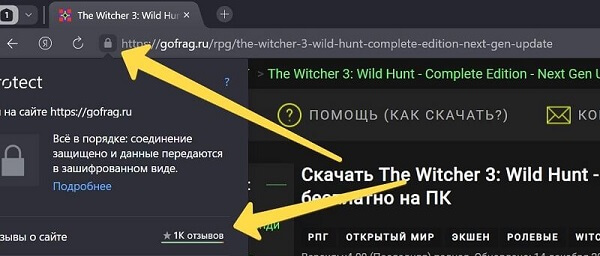
Огромная просьба друзья, если Вы пользуетесь Яндекс.Браузером 
Нажмите на замочек (слева в адресной строке) и далее на отзывы.
PS: Пожалуйста, не копируйте отзывы других людей (а то это выглядит как-будто мы их ПОКУПАЕМ :(
Можете просто написать маленький отзыв что "всё понравилось" или что-нибудь в этом роде.
А еще у нас появился ТГ канал
|
|