
0%
Filled with laugh-out-loud hilarious text and cartoons, the Diary of a Wimpy Kid series follows Greg Heffley as he records the daily trials and triumphs of friendship, family life and middle school where undersized weaklings have to share the hallways with kids who are taller, meaner and already shaving! On top of all that, Greg must be careful to avoid the dreaded CHEESE TOUCH!
The first book in the series was published in 2007 and became instantly popular for its relatable humor. Today, more than 300 million copies have been sold around the world!
"The board exams are a family sickness," jokes the neighbor. When the son scores 78% on a mock test, a crying session ensues. "Only 78%? The neighbor’s son got 95%!" The son yells back. A plate is thrown. Silence. Then, at 11:00 PM, the father knocks on the son’s door with a glass of warm milk and says, "I don't care about the marks. Just do your best." It is a lie, and they both know it, but the love is real.
The classic "Indian Family Lifestyle" is often stereotyped as the Joint Family —grandparents, parents, uncles, aunts, and cousins all under one roof. While that model is fading in big cities, its philosophy persists.
Intergenerational living remains a cornerstone of the lifestyle. Grandparents aren't just relatives; they are the primary storytellers, the moral compass, and often the secret allies of the children against strict parents. This hierarchy creates a house where someone is always talking, someone is always listening, and no one is ever truly alone. Evening Rituals and the Dinner Table
The modern Indian family has become a master of jugaad —the art of finding a low-cost, chaotic workaround. When both parents work from home, the living room becomes a corporate boardroom by day and a Bollywood screening hall by night. The dining table is a battlefield for homework, office laptops, and the evening’s chai .
The rules are unspoken but ironclad. Nobody eats dinner alone. The first roti always goes to the eldest male or the guest. The television remote is a tool of democracy (or dictatorship, depending on who holds it during the cricket match).
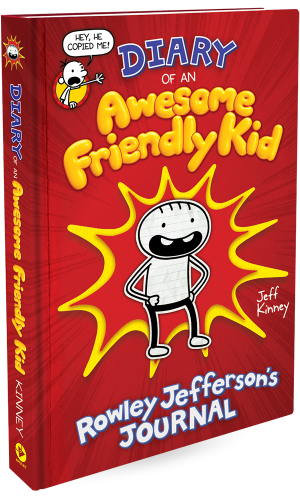
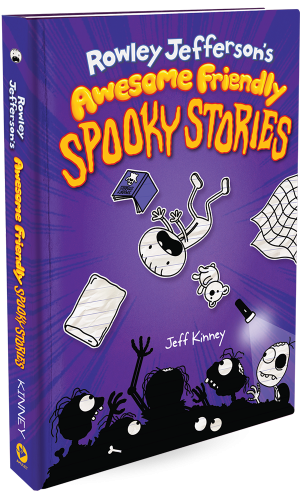
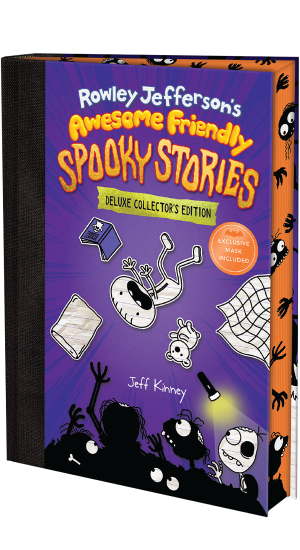
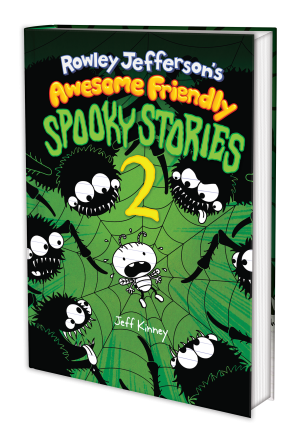
Get ready to see the Wimpy Kid world in a whole new way! Written and illustrated from the hilarious imagination of Greg Heffley’s best friend, Rowley Jefferson, the Awesome Friendly Kid series is filled with new adventures and vibrant stories that will have readers in stitches!
Click or scroll
through the books
free telugu comics savita bhabhi all pdf
"The board exams are a family sickness," jokes the neighbor. When the son scores 78% on a mock test, a crying session ensues. "Only 78%? The neighbor’s son got 95%!" The son yells back. A plate is thrown. Silence. Then, at 11:00 PM, the father knocks on the son’s door with a glass of warm milk and says, "I don't care about the marks. Just do your best." It is a lie, and they both know it, but the love is real.
The classic "Indian Family Lifestyle" is often stereotyped as the Joint Family —grandparents, parents, uncles, aunts, and cousins all under one roof. While that model is fading in big cities, its philosophy persists.
Intergenerational living remains a cornerstone of the lifestyle. Grandparents aren't just relatives; they are the primary storytellers, the moral compass, and often the secret allies of the children against strict parents. This hierarchy creates a house where someone is always talking, someone is always listening, and no one is ever truly alone. Evening Rituals and the Dinner Table
The modern Indian family has become a master of jugaad —the art of finding a low-cost, chaotic workaround. When both parents work from home, the living room becomes a corporate boardroom by day and a Bollywood screening hall by night. The dining table is a battlefield for homework, office laptops, and the evening’s chai .
The rules are unspoken but ironclad. Nobody eats dinner alone. The first roti always goes to the eldest male or the guest. The television remote is a tool of democracy (or dictatorship, depending on who holds it during the cricket match).